
Building in the Lake Tahoe Basin: A Civil Engineer’s Perspective on Sustainability and Permitting
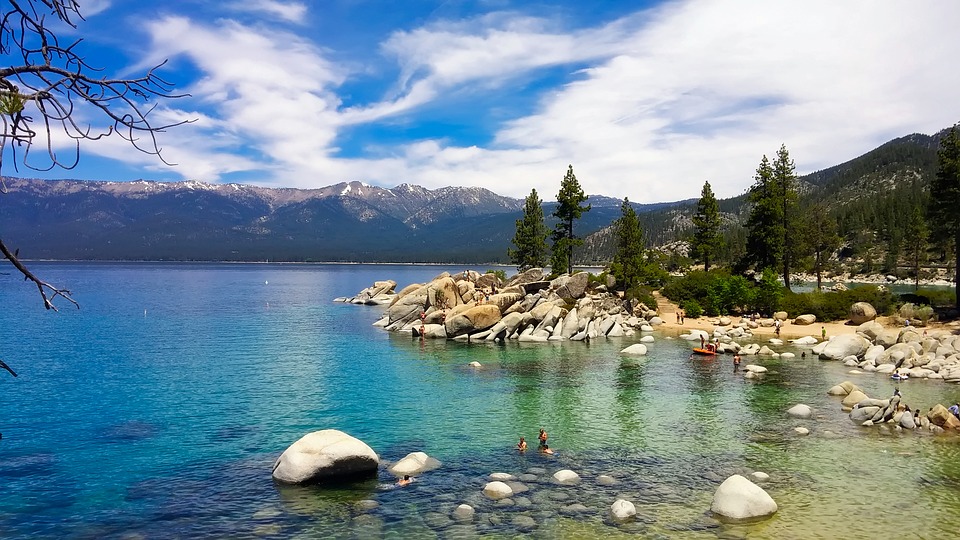
The Lake Tahoe Basin is a geographical marvel, defined by a lush alpine forest ecosystem nestled between arid valleys. This unique landscape maintains its world-renowned water clarity and ecological health through some of the most stringent land-use regulations in the United States. For developers and homeowners, understanding the intersection of environmental preservation and civil engineering requirements is the first step toward a successful project.
The Evolution of Tahoe Building Regulations
As a civil engineer with years of experience navigating the Tahoe construction landscape, I have witnessed a significant tightening of building permit protocols. While these administrative hurdles can be rigorous, they serve a critical purpose: maintaining the “Keep Tahoe Blue” standard.
Current construction challenges in the basin are driven by three primary factors:
- Strict Growth Control: Limits on new coverage and land disturbance.
- Escalating Construction Costs: Driven by specialized labor and material logistics.
- High Demand: A competitive market that often outpaces the local workforce’s housing needs.
While unbridled residential expansion might lower housing costs, it would irreversibly compromise the basin’s environmental integrity. Our goal as engineers is to balance community infrastructure needs with absolute environmental stewardship.
Essential Requirements for Tahoe Building Permits
On both the California and Nevada sides of the lake, permitting agencies like the TRPA (Tahoe Regional Planning Agency) prioritize three core pillars:
- Water Conservation: Implementing low-flow fixtures and drought-tolerant landscaping.
- Energy Efficiency: Adhering to high-performance building envelopes that exceed standard energy codes.
- Defensible Space and Fire Protection: Designing structures that can withstand the increasing threat of wildfires in the Sierra Nevada.
- Low-Impact Development: The Rise of Rain Gardens
Modern civil engineering in Tahoe is shifting away from traditional “gray infrastructure” (pipes and sewers) toward Low-Impact Development (LID). These solutions are often more cost-effective and visually integrated into the landscape.
A prime example is stormwater harvesting. Instead of routing roof runoff into public storm drains, we now utilize:
- Cistern Collection: Storing water for seasonal irrigation.
- Infiltration Basins (Rain Gardens): These excavated areas use native vegetation and engineered soil to naturally filter pollutants before runoff reaches the lake.
This “green infrastructure” is not unique to the mountains; it is gaining traction across California, from the high Sierras to urban centers like San Francisco.
The Future of Engineering in the Basin
The role of the civil engineer in Lake Tahoe is to remain at the forefront of sustainable innovation. By developing solutions that treat environmental protection as a functional requirement rather than a barrier, we can deliver high-quality civil works that preserve the basin for future generations. For those looking to build, success lies in integrating these sustainability measures early in the design phase to optimize both costs and approval timelines.